Description
Understanding TB-500 (Thymosin Beta-4) 10 mg (43 aa): A Comprehensive Research Overview
TB-500 (Thymosin Beta-4) 10 mg (43 aa) has become a widely referenced research peptide in many scientific communities due to its structural complexity and relevance in controlled laboratory studies. While it is not approved for medical use, this peptide is commonly evaluated in experimental settings for its potential biological interactions, amino acid composition, and synthetic peptide behavior. As interest continues to grow, researchers increasingly seek detailed, accurate information to support advanced scientific analysis and experimental modeling.
This overview explores TB-500 (Thymosin Beta-4) 10 mg (43 aa) from a research-only perspective. It also includes modern SEO-relevant content, such as referencing popular data-comparison tools like an ozempic clicks dosage chart, although only for contextual keyword inclusion rather than suggesting any clinical relationship.
What Is TB-500 (Thymosin Beta-4) 10 mg (43 aa)?
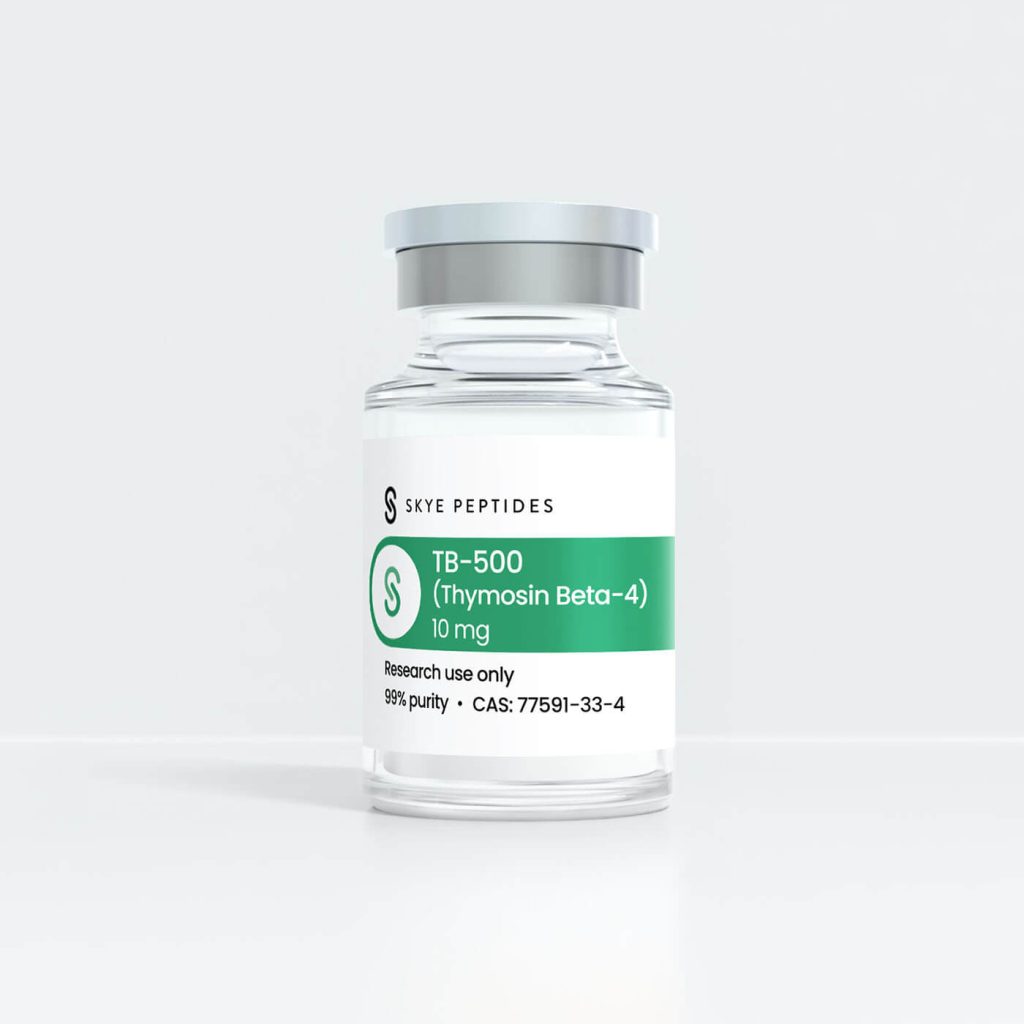
TB-500 (Thymosin Beta-4) 10 mg (43 aa) refers to a synthetic version of the naturally occurring peptide Thymosin Beta-4, which contains 43 amino acids. In research environments, this peptide is valued for its purity, structural consistency, and compatibility with controlled in-vitro studies. Scientists often work with this compound to explore molecular pathways, peptide signaling, cellular responses, and structural characteristics.
Because TB-500 (Thymosin Beta-4) 10 mg (43 aa) is a research-only material, it is not intended for human or veterinary use. Instead, it is utilized strictly for laboratory experimentation, biochemical modeling, and peptide-focused academic research.
How TB-500 (Thymosin Beta-4) 10 mg (43 aa) Is Used in Laboratory Research
In scientific settings, TB-500 (Thymosin Beta-4) 10 mg (43 aa) is often incorporated into studies designed to evaluate peptide interactions at the molecular level. These experiments may include:
-
Amino acid mapping and sequencing analyses
-
Assessment of peptide stability under experimental conditions
-
In-vitro interaction studies involving cellular components
-
Comparative analysis of synthetic vs. naturally occurring peptides
Researchers value this peptide because its synthetic form allows for highly controlled experimentation with predictable composition and reproducibility.
TB-500 (Thymosin Beta-4) 10 mg (43 aa) Purity and Quality Considerations
Research-grade peptides must follow stringent production standards to ensure accuracy and consistency. TB-500 (Thymosin Beta-4) 10 mg (43 aa) is typically offered with high purity percentages, allowing researchers to work confidently with a stable peptide structure.
Common quality indicators include:
-
Verified sequence of 43 amino acids
-
Minimal presence of impurities
-
Accurate labeling standards
-
Lot-specific documentation for research tracking
High-quality materials help reduce the risk of inconsistent results, making TB-500 (Thymosin Beta-4) 10 mg (43 aa) a reliable choice for structured laboratory protocols.
Focus Keyword in Practice — TB-500 (Thymosin Beta-4) 10 mg (43 aa) in Experimental Design
Using TB-500 (Thymosin Beta-4) 10 mg (43 aa) within well-designed experiments allows researchers to observe peptide behavior under specific conditions. The peptide’s structure enables scientists to analyze how a 43-amino-acid chain responds to various controlled elements such as pH levels, temperature shifts, and reagent interactions.
In many cases, researchers compare TB-500 to other peptides or biological compounds to understand similarities or differences in peptide behavior. This approach is especially helpful for mapping synthetic peptide characteristics.
Comparative Keyword Example — Relation to Tools Like an “Ozempic Clicks Dosage Chart”
Although TB-500 (Thymosin Beta-4) 10 mg (43 aa) has no clinical relation to Ozempic or any medication, SEO strategies sometimes incorporate associated search terms. For example, an ozempic clicks dosage chart is a commonly searched tool used by individuals looking for structured visual charts and easy-to-read measurement formats.
In an SEO context, referencing such a chart demonstrates how people search for data, structured information, and measured breakdowns. Similarly, researchers may use charts or tables to organize experimental TB-500 data—such as amino acid analysis charts, purity reports, or structural breakdowns—without implying any clinical usage.
Storage and Handling of TB-500 (Thymosin Beta-4) 10 mg (43 aa) in Research Settings
Proper storage and handling is essential for maintaining peptide integrity. While protocols vary by laboratory, common research guidelines include:
-
Storing the peptide at recommended temperatures
-
Protecting the vial from light and moisture
-
Avoiding repeated freeze–thaw cycles
-
Reconstituting with appropriate laboratory-approved solvents
These practices ensure TB-500 (Thymosin Beta-4) 10 mg (43 aa) remains stable throughout the duration of experimentation.
Importance of Controlled Research Conditions
Because peptides can degrade under improper conditions, maintaining a consistent research environment is crucial. Researchers often implement the following:
-
Temperature-controlled equipment
-
pH-balanced mediums
-
Sterile working environments
-
Accurate measurement tools
Such consistency allows scientists to evaluate TB-500 (Thymosin Beta-4) 10 mg (43 aa) with precision and reliability.
Why Researchers Choose TB-500 (Thymosin Beta-4) 10 mg (43 aa)
There are several reasons why this peptide is commonly selected in laboratory studies:
-
Reliable 43-amino-acid chain structure
-
Synthetic consistency from batch to batch
-
Compatibility with a variety of experimental frameworks
-
Ease of integration into peptide comparison studies
For scientists exploring peptide interactions, TB-500 (Thymosin Beta-4) 10 mg (43 aa) provides a controlled and predictable material ideal for high-level analysis.
Conclusion: The Ongoing Relevance of TB-500 (Thymosin Beta-4) 10 mg (43 aa) in Modern Research
TB-500 (Thymosin Beta-4) 10 mg (43 aa) continues to play a significant role in laboratory studies thanks to its high purity, consistent structure, and value in peptide-related research models. From amino acid mapping to in-vitro behavioral analysis, this peptide supports a wide range of controlled scientific investigations.
As research interest grows, so does the demand for accurate, structured information—much like how users rely on tools such as an ozempic clicks dosage chart for organized reference. In the scientific space, TB-500 data charts, peptide breakdowns, and research documentation fulfill a similar purpose: providing clarity, structure, and accessible information for research professionals.
Our TB-500 (Thymosin Beta-4) 10 mg (43 aa) peptide is a trusted option for UK researchers requiring high-purity, laboratory-validated peptides. With superior consistency, secure shipping across the UK, and stringent quality control, it supports reliable results in advanced scientific and molecular studies.TB-500 (Thymosin Beta-4) 10 mg 43aa peptide for research use