Description
GLP-1 T (GLP-1 + GIP 2RA): A Simple UK Guide
In the UK, new treatments for obesity and type 2 diabetes are moving quickly. One of the most discussed options today is GLP-1 T (GLP-1 + GIP 2RA), a new type of therapy that targets two important hormone pathways involved in appetite control and blood sugar regulation.
This page explains what this dual-action approach means, how it works in the body, what the science shows so far, and how it fits into the UK healthcare system.
What is GLP-1 T (GLP-1 + GIP 2RA)?
This term describes a dual incretin receptor agonist therapy. In simple words, it is designed to activate two natural hormone systems at the same time:
-
GLP-1 (glucagon-like peptide-1) receptor
-
GIP (glucose-dependent insulinotropic polypeptide) receptor
Both hormones are released naturally after eating. They help the body manage blood sugar levels and influence how hungry or full you feel.
Unlike older medicines that target only the GLP-1 pathway, dual incretin therapy works on both signals together. This combined action is why many specialists now see it as a new generation of metabolic treatment.
A clear medical overview of GLP-1 medicines is available from the NHS:
https://www.nhs.uk/conditions/type-2-diabetes/treatment/ (DoFollow)
How dual incretin therapy works in the body
After you eat, your gut releases incretin hormones. These hormones tell the pancreas to release insulin and also send signals to the brain about fullness.
Dual-pathway therapy works by:
-
increasing insulin release only when glucose is present
-
reducing excess glucagon production
-
slowing stomach emptying
-
helping the brain recognise satiety (feeling full)
Because both GLP-1 and GIP receptors are activated, the metabolic response is more balanced and may improve both blood sugar control and body-weight regulation.
An easy-to-read scientific explanation of incretin hormones can be found here:
https://www.ncbi.nlm.nih.gov/books/NBK279031/ (DoFollow)
Why adding GIP matters
For many years, most injectable treatments focused only on GLP-1. New research suggests that GIP activity may support insulin sensitivity and improve how the body handles nutrients.
By activating both receptors, dual incretin therapy aims to:
-
support stronger glucose control
-
improve energy handling
-
enhance appetite regulation
This combination approach is one of the key reasons it has gained attention in clinical research and specialist weight-management clinics.
Clinical evidence behind modern dual-receptor treatments
Large international trials have evaluated dual incretin medicines in people with type 2 diabetes and obesity.
A well-known clinical study published in The New England Journal of Medicine showed significant improvements in weight reduction and blood glucose control when a dual GLP-1 and GIP receptor medicine was used:
https://www.nejm.org/doi/full/10.1056/NEJMoa2206038 (DoFollow)
The results showed:
-
greater average weight loss compared with older GLP-1-only treatments
-
improved long-term blood sugar control
-
good overall treatment tolerance in most patients
These findings helped shape current medical interest in this therapy class.
Benefits of GLP-1 T (GLP-1 + GIP 2RA) for patients in the UK
From a clinical perspective, the main areas of benefit discussed by UK healthcare professionals include:
-
improved weight management support
-
better HbA1c and glucose stability
-
reduced appetite and portion size
-
potential improvement in metabolic health markers
For people living with obesity and type 2 diabetes, this dual-action approach offers an alternative when lifestyle changes and older medications are not enough.
Weight management and appetite control
One of the strongest effects of dual incretin therapy is its influence on the brain’s appetite centres.
It helps people:
-
feel full sooner
-
stay full longer after meals
-
reduce constant food cravings
The slowing of stomach emptying also supports smaller and more controlled meals. This makes the therapy especially relevant within structured weight-loss programmes used in specialist clinics.
The National Institute for Health and Care Excellence (NICE) provides official guidance on obesity management in the UK:
https://www.nice.org.uk/guidance/cg189 (DoFollow)
Blood sugar control and diabetes support
Dual incretin medicines help regulate insulin secretion in a glucose-dependent way. This means insulin release increases only when blood sugar rises, which reduces the risk of dangerous low blood sugar events when used correctly.
This mechanism supports:
-
more stable daily glucose levels
-
improved long-term diabetes outcomes
-
reduced strain on pancreatic function
Information about modern diabetes therapies in the UK is published by Diabetes UK:
https://www.diabetes.org.uk/about-diabetes/looking-after-diabetes/treatments (DoFollow)
Safety and possible side effects
As with all prescription medicines, side effects may occur. The most commonly reported issues in clinical studies include:
-
nausea during early treatment
-
mild vomiting or diarrhoea
-
reduced appetite
-
temporary fatigue
These effects are usually mild and often improve as the body adapts.
More detailed safety information for incretin-based medicines can be found through the U.S. National Library of Medicine:
https://medlineplus.gov/druginfo/meds/a619021.html (DoFollow)
This information is for education only and does not replace advice from a healthcare professional.
UK regulation and access
In the United Kingdom, all injectable incretin-based medicines must be approved by the Medicines and Healthcare products Regulatory Agency (MHRA) before use.
You can review official regulatory information here:
https://www.gov.uk/government/organisations/medicines-and-healthcare-products-regulatory-agency (DoFollow)
Availability through the NHS depends on NICE recommendations, local prescribing policies, and patient eligibility. In many cases, these therapies are accessed through specialist diabetes or weight-management services.
Who should speak to a doctor before starting treatment?
People should always consult a qualified healthcare professional if they have:
-
a history of pancreatitis
-
severe gastrointestinal disease
-
thyroid or endocrine disorders
-
pregnancy or breastfeeding plans
Individual assessment is essential before starting any metabolic or weight-loss medication.
Final thoughts for UK readers
Dual incretin therapy represents an important step forward in the treatment of obesity and type 2 diabetes. By targeting two key hormone pathways instead of one, it offers a more advanced approach to appetite control and glucose regulation.
For people exploring modern treatment options, understanding how this therapy works, how it is regulated in the UK, and what the science currently supports is the best way to make informed decisions in partnership with qualified medical professionals.
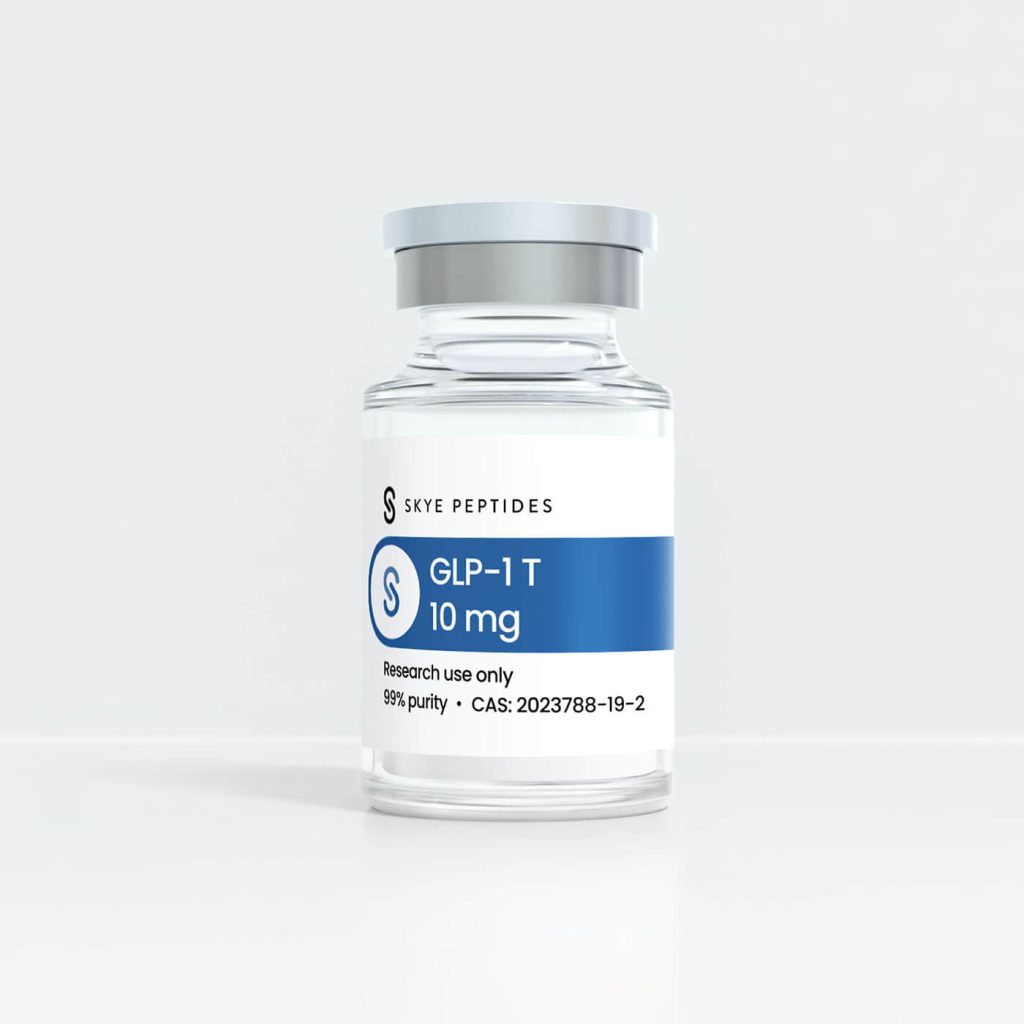
GLP-1 + GIP Dual Receptor Agonist
Now Shipping:
10 mg – Batch TZ25-10-004 99.7% purity | 11.54 mg
30 mg – Batch TZ25-30-004 99.8% purity | 32.72 mg
40 mg – Batch TZ25-40-003 99.8% purity | 41.35 mg
60 mg – Batch TZ25-60-009 99.9% purity | 62.61 mg in 5 ml vial .