Description
Understanding “2X” Tesamorelin | Ipamorelin – A simple UK research and wellness guide
The peptide combination known as “2X” Tesamorelin | Ipamorelin is increasingly discussed in research and clinical education circles because of its potential role in growth-hormone regulation, body composition studies and metabolic support. This guide explains how the two peptides work, what current science says, and what UK readers should know before considering any form of peptide-based therapy.
This content is for educational purposes only and is written in simple English for a UK audience.
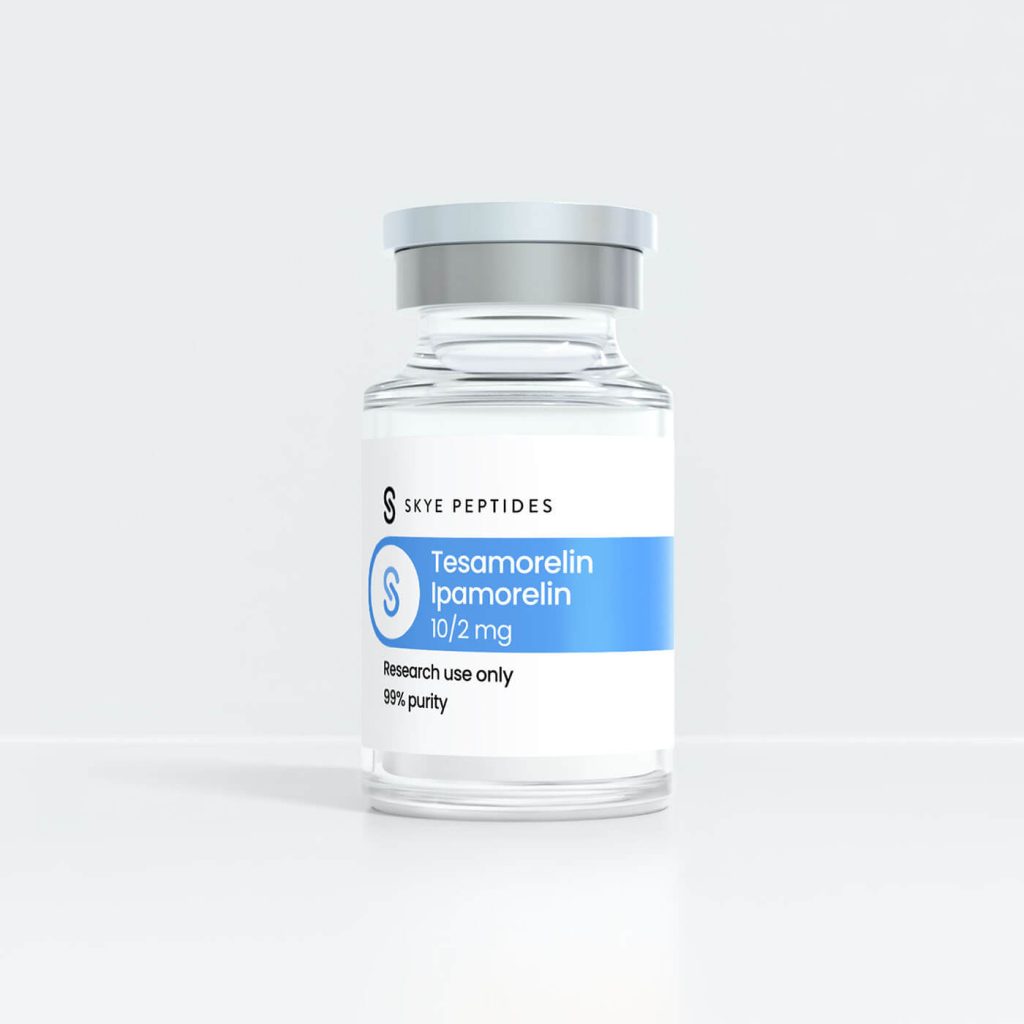
What is “2X” Tesamorelin | Ipamorelin?
This dual-peptide formulation brings together two well-studied compounds: Tesamorelin and Ipamorelin.
Tesamorelin is a synthetic version of growth hormone-releasing hormone (GHRH). It works by signalling the pituitary gland to release more of the body’s own growth hormone.
Ipamorelin belongs to a group of peptides known as growth hormone secretagogues. It works through a different receptor pathway to gently stimulate growth hormone release without strongly activating cortisol or prolactin pathways.
When combined, the two peptides are often discussed in scientific and clinical literature as a complementary pairing that supports natural hormone signalling rather than replacing it.
You can read more about Tesamorelin’s clinical background in published research on PubMed:
https://pubmed.ncbi.nlm.nih.gov/23680669/
And an overview of growth hormone secretagogues, including Ipamorelin, is available here:
https://pubmed.ncbi.nlm.nih.gov/19401487/
How Tesamorelin and Ipamorelin work together
Although both peptides stimulate growth hormone release, they do so through different biological pathways.
Tesamorelin activates the same receptor used by natural GHRH. This helps promote a more physiological pattern of growth hormone secretion.
Ipamorelin activates the ghrelin receptor pathway, which also triggers growth hormone release but with a more selective activity profile.
Because of this dual action, researchers are interested in how these peptides may:
support natural hormone rhythms
encourage more stable growth hormone pulses
reduce overstimulation compared with some older compounds
Importantly, this does not mean guaranteed outcomes. It simply reflects why the pairing is being explored in research settings.
Research focus for Tesamorelin and Ipamorelin combinations
The scientific interest around this peptide pairing mainly focuses on three areas.
First, body composition research. Tesamorelin has been studied for its effects on fat distribution and metabolic markers, particularly in clinical populations.
Second, recovery and tissue support. Growth hormone plays a role in tissue repair and cellular turnover, which makes growth hormone–stimulating peptides of interest in recovery-related studies.
Third, healthy ageing and metabolic function. Researchers continue to investigate how growth hormone signalling changes with age and how peptide-based approaches may influence this process.
A detailed review on growth hormone physiology and clinical research can be found through the National Institutes of Health:
https://www.ncbi.nlm.nih.gov/books/NBK279031/
Potential areas being explored in studies
In published and ongoing studies, scientists are exploring whether this peptide combination may contribute to:
metabolic health support
improved lean mass regulation
changes in fat distribution
support for physical recovery processes
better regulation of growth hormone pulses
It is important to understand that most of this evidence is still developing. Results can vary between individuals and clinical settings.
Important limitations of current evidence
While interest is growing, there are still limitations:
most studies focus on individual peptides rather than blended formulations
long-term safety data for combined use is limited
outcomes may differ based on age, medical history and overall health
This is why medical supervision and evidence-based protocols remain essential.
Safety and regulatory position in the UK
In the United Kingdom, peptide-based therapies fall under professional medical oversight when used in clinical practice.
Any clinic offering peptide services should be registered and regulated by the Care Quality Commission (CQC):
https://www.cqc.org.uk
The UK Medicines and Healthcare products Regulatory Agency (MHRA) oversees medicines and medical products:
https://www.gov.uk/government/organisations/medicines-and-healthcare-products-regulatory-agency
This means patients should always confirm that:
a proper medical assessment is carried out
treatment is supervised by qualified clinicians
clear information on risks and monitoring is provided
Self-use and online purchasing without medical guidance carry significant safety risks.
Possible side effects and tolerability
Like many compounds that influence hormone signalling, possible side effects may include:
headache
mild injection site discomfort
temporary fatigue
changes in appetite or sleep patterns
Serious side effects are uncommon in supervised clinical environments but cannot be fully ruled out.
The NHS provides general guidance on hormone-related treatments and safety principles:
https://www.nhs.uk/conditions/hormone-therapy/
Who typically explores this peptide combination?
People who research or discuss this peptide pairing usually fall into one or more of the following groups:
individuals interested in metabolic health support
people exploring recovery and physical performance optimisation
adults interested in healthy ageing strategies
patients participating in supervised clinical research programmes
It is not intended for cosmetic or lifestyle use without medical oversight.
Lifestyle factors that support natural hormone balance
Whether or not someone ever considers peptide-based interventions, strong lifestyle foundations remain essential.
These include:
regular resistance and aerobic exercise
adequate sleep and consistent sleep schedules
balanced nutrition with sufficient protein
stress management and recovery time
These factors strongly influence natural growth hormone production and overall metabolic health.
Why professional assessment matters
Growth hormone signalling affects many systems in the body, including:
glucose metabolism
thyroid and adrenal function
cardiovascular health
Only a qualified healthcare professional can determine whether a peptide-based approach is appropriate for an individual.
Practical summary of “2X” Tesamorelin | Ipamorelin
The combination of Tesamorelin and Ipamorelin is attracting attention because it aims to stimulate the body’s own growth hormone production through two complementary biological pathways.
Current scientific interest focuses on:
metabolic and body composition research
recovery and tissue health studies
healthy ageing and hormone regulation
For UK readers, the most important points are:
evidence is still evolving
professional supervision is essential
regulated clinics and medical oversight protect patient safety
Anyone considering peptide-based therapies should always consult a qualified medical professional and rely on reputable, regulated providers.
For further scientific reading on growth hormone regulation and peptide research, you may also review this comprehensive overview:
https://pubmed.ncbi.nlm.nih.gov/30367900/