Description
GLP-1 S (GLP-1 RA): A Simple UK Guide
In the UK, interest in modern treatments for weight management and type 2 diabetes continues to grow. One of the most widely used approaches today is GLP-1 S (GLP-1 RA), a therapy that focuses on one key hormone pathway involved in appetite control and blood-glucose regulation.
This page explains how this treatment works, what the science shows, who it may help, and how it is regulated in the United Kingdom.
What is GLP-1 S (GLP-1 RA)?
This term describes a single-receptor glucagon-like peptide-1 receptor agonist. In simple language, it means a medicine that copies the action of the natural hormone called GLP-1.
GLP-1 is released from the gut after you eat. It helps your body manage sugar levels and sends signals to your brain that you are full. A GLP-1 receptor agonist works by activating the same receptor that the natural hormone uses.
A clear explanation of GLP-1 medicines is available from the NHS here:
https://www.nhs.uk/conditions/type-2-diabetes/treatment/ (DoFollow)
How GLP-1 S (GLP-1 RA) works in the body
After a meal, your digestive system releases hormones that help control how food is processed. GLP-1 plays an important role in this system.
This type of treatment supports the body by:
-
increasing insulin release only when blood sugar rises
-
reducing excess glucagon, which helps lower glucose levels
-
slowing the emptying of the stomach
-
helping the brain recognise fullness
Because it works with your body’s natural response to food, it is commonly described as a hormone-based metabolic therapy rather than a traditional appetite suppressant.
A simple scientific overview of incretin hormones is available here:
https://www.ncbi.nlm.nih.gov/books/NBK279031/ (DoFollow)
Why single-receptor GLP-1 therapy matters
Before these medicines were available, many people relied on treatments that focused only on insulin or general blood-sugar control. Single-receptor GLP-1 therapy introduced a new way of managing both appetite and glucose together.
It allows healthcare professionals to:
-
support weight reduction as well as diabetes control
-
reduce daily glucose swings
-
improve long-term metabolic outcomes
This approach is now widely used in specialist clinics across the UK.
Clinical benefits of GLP-1 S (GLP-1 RA)
Clinical studies and real-world medical use show that this therapy can offer several meaningful benefits when prescribed appropriately.
These include:
-
improved blood-sugar stability
-
reduced appetite and lower calorie intake
-
support for gradual and sustainable weight loss
-
better overall metabolic health markers
According to Diabetes UK, GLP-1 receptor agonists are an important part of modern treatment plans for type 2 diabetes:
https://www.diabetes.org.uk/about-diabetes/looking-after-diabetes/treatments (DoFollow)
Weight management and appetite control
One of the strongest effects of this treatment is its action on the brain’s appetite centres.
People often experience:
-
feeling full sooner during meals
-
staying full for longer after eating
-
fewer cravings between meals
The slowing of stomach emptying also helps reduce rapid spikes in blood sugar and supports better portion control.
For this reason, GLP-1-based medicines are increasingly included in structured weight-management services in the UK.
Official UK guidance on obesity care is available from NICE:
https://www.nice.org.uk/guidance/cg189 (DoFollow)
Blood sugar regulation and diabetes support
Single-receptor GLP-1 therapy supports insulin release in a glucose-dependent way. This means the body releases insulin only when blood sugar rises, helping to lower the risk of sudden low-sugar episodes when used correctly.
This mechanism supports:
-
better daily glucose control
-
improved long-term HbA1c results
-
reduced strain on pancreatic function
A clinical overview of GLP-1 receptor agonists can be found through the National Library of Medicine:
https://medlineplus.gov/druginfo/drugclass_1033.html (DoFollow)
Safety and common side effects
As with any prescription medicine, side effects are possible. The most frequently reported effects in studies and clinical practice include:
-
nausea, especially during the first weeks
-
vomiting or mild diarrhoea
-
reduced appetite
-
temporary tiredness
In most patients, these symptoms improve as the body adapts to treatment.
Detailed safety information is also published by the U.S. National Library of Medicine:
https://medlineplus.gov/druginfo/meds/a618008.html (DoFollow)
This information is provided for educational purposes only.
UK regulation and availability
In the United Kingdom, medicines in the GLP-1 receptor agonist class must be approved by the Medicines and Healthcare products Regulatory Agency before being prescribed.
Official regulatory information is available here:
https://www.gov.uk/government/organisations/medicines-and-healthcare-products-regulatory-agency (DoFollow)
Access through the NHS depends on NICE recommendations, local commissioning policies and individual clinical assessment. Many people receive these medicines through diabetes services or specialist weight-management programmes.
Who should talk to a doctor before starting therapy?
You should always seek professional medical advice if you have:
-
a history of pancreatitis
-
serious stomach or bowel conditions
-
thyroid or endocrine disorders
-
plans for pregnancy or breastfeeding
A full medical review is essential before starting any hormone-based treatment.
Final thoughts on GLP-1 S (GLP-1 RA) in the UK
This therapy represents a major shift in how doctors manage both type 2 diabetes and obesity. By working with the body’s natural appetite and glucose-control systems, it provides a modern and evidence-based approach to long-term metabolic health.
For people in the UK who are exploring treatment options, understanding how this single-receptor therapy works, how it is regulated, and what the research shows can help support informed discussions with qualified healthcare professionals
Now Shipping:
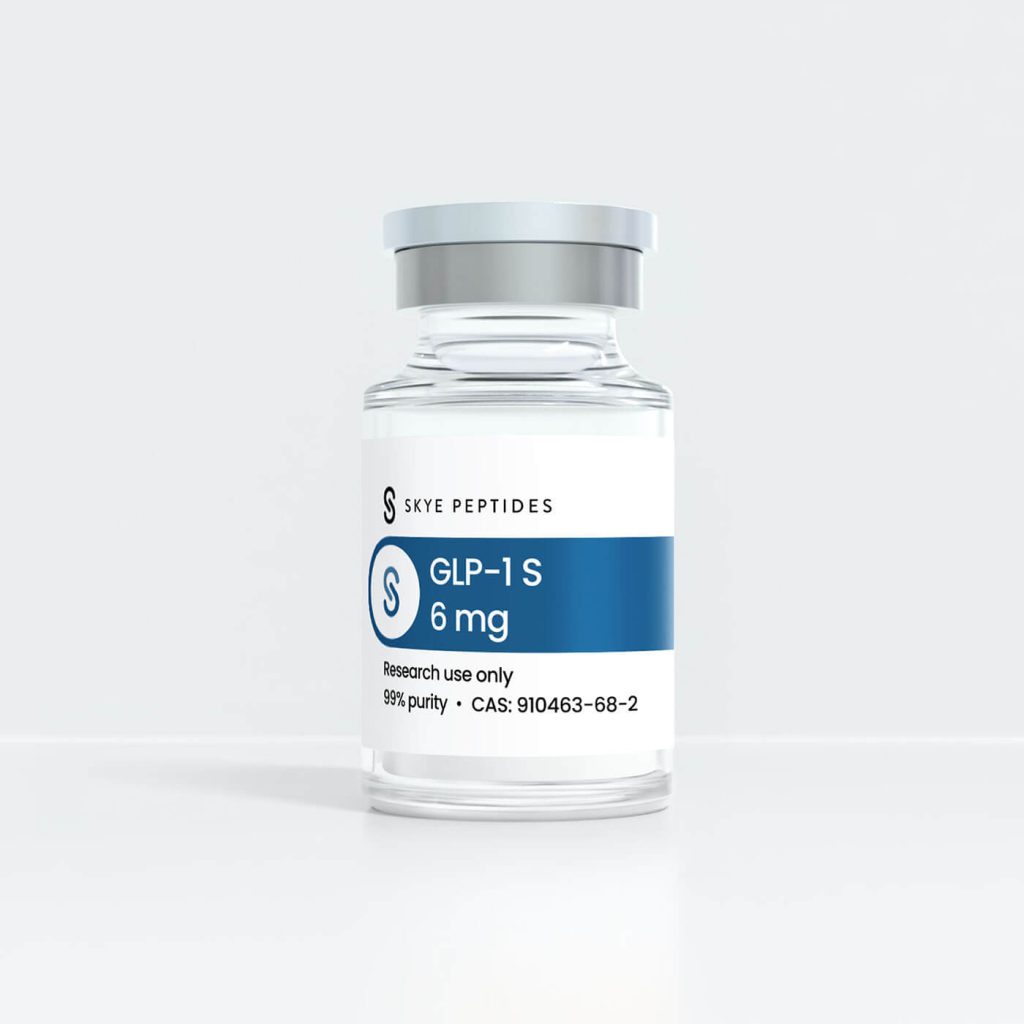
6 mg – Batch SM25-05-002 99.2% purity | 6.1 mg
10 mg – Batch SM25-10-002 99.7% purity | 11.5 mg